
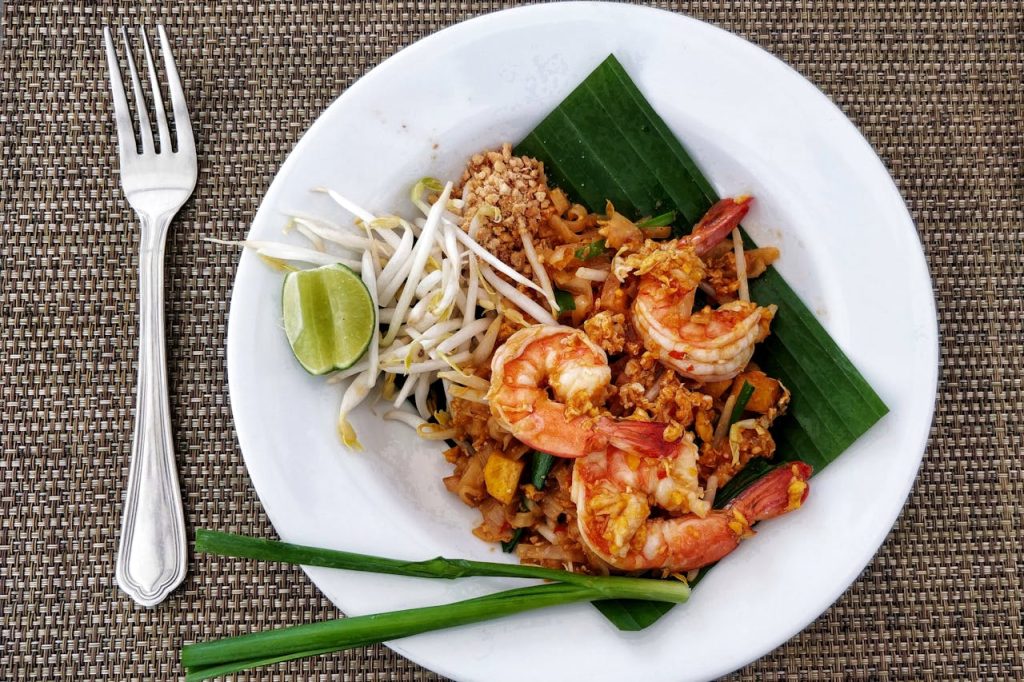
Lovers of Thai cuisine know the delightful mix of flavours that define its dishes: a perfect balance of spicy, salty, sweet, and sour. While traditional Thai ingredients come from afar, you can create these tasty meals right at home using fresh produce from Australia. Embracing local Australian produce not only ensures freshness but also supports our hardworking farmers. This makes your meal a delightful experience and a positive contribution to the community.
Imagine crafting a bowl of Pad Thai or a pot of Green Curry with ingredients sourced from nearby farms. The journey to enjoying Thai food with an Australian twist is not only easy but rewarding. So, let’s dive into how you can enjoy mouth-watering Thai dishes using the best that Australian farmers have to offer.
Discovering Thai Food’s Unique Elements
Thai cuisine is celebrated worldwide for its vibrant and harmonious balance of flavours, creating dishes that are both exciting and memorable. At the heart of Thai cooking are several core ingredients and techniques that define its unique character. Key ingredients include fresh herbs like lemongrass and Thai basil, spices like chillies and ginger, and flavour enhancers such as fish sauce and lime juice. These components work together to create dishes that are sweet, spicy, sour, and salty—often all at once.
In Thai cooking, balance is key. Herbs and spices are used not only to add flavour but also to create depth and aroma. Techniques such as stir-frying and slow cooking are popular, each contributing to the distinct textures and flavours of the dish. For instance, in stir-fry dishes like Pad Kee Mao, the quick, high-heat method locks in the natural freshness of herbs, giving each bite a punchy taste.
Moreover, the presentation of Thai dishes is also crucial. Colourful ingredients are thoughtfully arranged to make meals look as good as they taste. Thai cooks often use garnishes like fresh coriander and sliced chillies to add visual appeal. This dedication to both flavour balance and aesthetic presentation sets Thai cuisine apart, engaging not only the palate but the eyes as well, inviting us to dive into a truly satisfying meal experience.
Substituting with Australian Ingredients
Many traditional Thai ingredients can be substituted with locally grown Australian produce while maintaining authentic flavours. Choosing Australian-grown alternatives supports local farmers and ensures fresher ingredients on your plate.
For herbs, you can substitute Australian Thai basil in dishes like Pad Krapao. It is grown under similar conditions, so it retains the same vibrant flavour and aroma as imported varieties. Lemon myrtle can often replace lemongrass for a uniquely Aussie twist, offering the same citrusy notes required in many recipes.
When looking for protein, Australia offers a wealth of choices. Free-range chicken and premium Australian beef make excellent substitutes for meat options found in Thai dishes. These provide high-quality alternatives that are both ethical and delicious. Australian prawns are a great choice for seafood dishes, delivering freshness and a sweet taste ideal for Thai recipes.
Here are a few benefits of using local substitutions:
- Freshness: Locally sourced ingredients are fresher, enhancing the taste and quality of dishes.
- Sustainability: Supporting Australian farmers cuts down on transport emissions and supports the local economy.
- Quality: Australian produce is known for its high standards, ensuring a consistently excellent dining experience.
Embracing these substitutions enables you to enjoy authentic Thai flavours while celebrating the rich produce available right here in Australia.
Cooking Thai Dishes with a Local Twist
Creating delicious Thai dishes with a touch of Australian flavour is simple and fun. When making popular dishes like Pad Thai and Green Curry, using fresh, local ingredients ensures authentic taste while supporting Australian farmers.
Recipe for Australian-Inspired Pad Thai:
- Ingredients:
– Rice noodles
– Choice of protein: chicken, beef, or prawns
– Tofu for a vegetarian option
– Fresh Australian vegetables like bell peppers and carrots
– Homemade Pad Thai sauce (ensure it includes tamarind and fish sauce)
– Eggs
– Australian-grown peanuts
– Lime wedges
- Steps:
– Soak rice noodles in warm water until soft. Drain and set aside.
– In a hot pan, scramble the eggs and set aside.
– Stir-fry your choice of protein until cooked, then add vegetables and cooked eggs.
– Add softened noodles to the pan, pouring the Pad Thai sauce over. Toss everything together until well coated.
– Garnish with peanuts and lime wedges before serving.
For Green Curry, use locally grown vegetables like zucchini and green beans, and choose from local meats or tofu. The key is in the curry paste, combining green chilies with spices and fresh coconut milk for the rich, aromatic flavour.
When selecting meats, look for Australian-raised chicken, beef, or prawns. These options ensure premium quality and support sustainability. By incorporating locally sourced ingredients, you achieve authentic Thai flavour while enjoying the benefits of fresh produce.
Pairing and Presenting Your Thai Creations
Enhancing your Thai dining experience is all about the right pairings and presentation that make the meal memorable.
- Perfect Side Dishes and Snacks:
– Roti with Satay Sauce: This light and crispy bread is perfect for scooping up curry and adds a delightful texture contrast.
– Homemade Prawn Spring Rolls: These crunchy rolls are great to start the meal,complementing the spicy main dishes.
– Vegetable Spring Rolls: A vegetarian-friendly snack that balances flavours with a fresh crunch.
- Plating Tips:
– Use large, wide bowls for noodle dishes like Pad Thai or Green Curry to keep the sauce contained.
– Sprinkle fresh herbs, such as coriander or Thai basil, on top for freshness and a pop of colour.
– Serve curry alongside jasmine rice, placing the rice in a small mound with the curry around it for a clean look.
Presenting these dishes with care not only enhances their appearance but also elevates the dining experience at home. Adding side dishes that highlight key flavours of your main dish rounds out the meal. This thoughtful approach to pairing and presentation turns a simple dinner into an exciting Thai feast.
Conclusion:
Thai cuisine is a celebration of fresh ingredients, balanced flavours, and colourful presentation. By incorporating Australian-grown produce and local meats, you enjoy quality freshness while supporting local farmers. Recreate these vibrant dishes at home, and make your dining table a spot of delicious adventure. Whether it’s the tangy kick of a homemade Pad Thai or the creamy richness of a Green Curry, these meals bring a taste of Thailand into your everyday life.
Experience these unique flavours at Nar Bangkok Modern Thai, where authentic Thai recipes meet fresh Australian ingredients. Our thoughtfully crafted dishes showcase the best of both worlds, offering a dining experience that’s both flavourful and sustainable. Visit our Thai restaurant in Melbourne to try our menu and discover how local and traditional come together in a delicious harmony.