
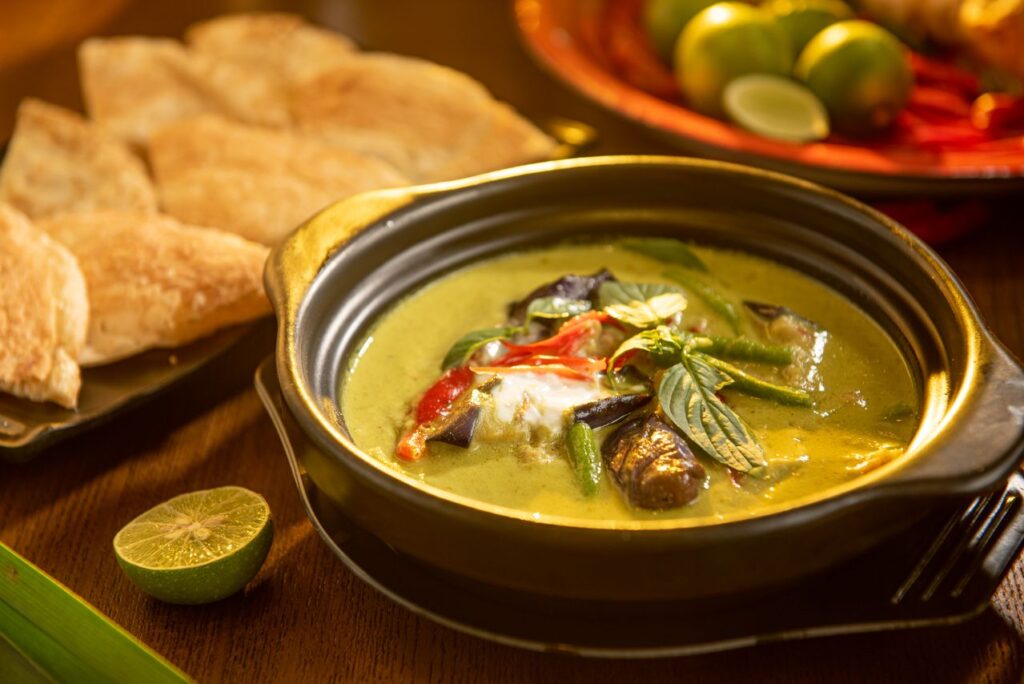
Thai cuisine brings big flavour, warmth, and comfort, especially when the days get shorter and colder. In a place like Melbourne, where winter chills settle in by July, Thai food has a way of feeling just right, cosy, balanced, and filled with spice.
One part of Thai cuisine that stands out in colder months is the curry. Whether it is green, red, or massaman, each one brings its own mood and taste. Some are bold and hot, others are smooth and rich. But knowing which one suits your taste can take a bit of guesswork if you are not sure what sets them apart.
We have put together a simple guide to help you spot the differences between common Thai curries, so you can choose the one that hits the spot, whether you are ready for something fiery or want a mellow, creamy bowl to warm you up.
Understanding Thai Curry Basics
At the heart of every Thai curry is the paste. This is where the flavour begins. The paste is usually a mix of garlic, fresh herbs, chillies, and spices, blended together until it is thick and packed with aroma. What comes next adds richness.
- Coconut milk or cream is often added to give the curry a smooth texture and soften the heat from the paste
- Spices like cumin, coriander, and turmeric help build deeper layers of taste
- Local vegetables such as carrot, zucchini, and green beans bring colour while soaking up the curry’s flavour
The curry’s final taste depends on ingredients, cooking time, and how the paste is balanced with coconut and herbs. Using Australian-grown produce helps the curries stay fresh and seasonal while keeping with the traditional feel.
A few of Nar Bangkok Modern Thai’s bestsellers for colder months include green curry on rice, red curry on rice, and Massaman beef brisket, each made with fresh veggies and meat you choose.
If you have ever wondered why some curries seem creamier while others pack more of a punch, the answer starts here. Paste, coconut, and local veg come together in a bowl to offer flavour and comfort.
Colour and Spice: A Quick Way to Tell Curries Apart
A big clue in picking a Thai curry is its colour. That usually says a lot about what it will taste like and how much heat you are in for.
- Green curry is usually the hottest. It gets its colour and bite from green chillies and fresh herbs. It is sharp, fresh, and fast-moving on the tongue
- Red curry has dried red chillies that give it a bolder colour, but it is usually milder than green. It still has heat, but it spreads more gently
- Yellow curry often brings in turmeric or curry powder and has a milder, slightly sweet taste
- Massaman curry leans into warmth, not heat. Spices like cinnamon, star anise, and clove give it a smooth, nutty flavour
Even before the first bite, the colour and thickness of the sauce can give it away. Green dishes tend to be brighter and lighter, while red and massaman are thicker and coat the spoon.
You might also notice the aroma before anything else. Green curry often smells fresh and grassy from the herbs, while red and massaman have a spicier, almost sweet scent. This makes the first spoonful taste even better when the weather is cool and you are after something to warm you inside and out.
Texture, Ingredients, and Cooking Style
Beyond taste and colour, the feel of a curry can also guide your choice. Some curries are cooked quickly and served light, while others spend time simmering until they soak through every bite.
- Green and red curries are often cooked with chicken, tofu, or seafood. They balance the soft meat or veg with a gently spiced sauce
- Massaman curry is different. It is slow-cooked, often with beef brisket and root vegetables like potato and carrot, making it perfect for colder weather
- The thickness of each curry can change too. Massaman is heartier, almost stew-like, while red and green curries are more fluid but still rich
So if you are after something filling and warming, massaman might be the way to go. If you want something bold but still light enough for lunch, red or green might suit.
You’ll find a choice of protein for all curries at Nar Bangkok Modern Thai, from chicken to prawn, tofu, beef, or crispy pork, so you can enjoy your favourite style with your preferred taste.
When choosing what to enjoy, texture is just as important as taste. If you like biting into tender chunks of slow-cooked meat with sauce that coats each piece, massaman fits well. For spoonfuls that feel lighter yet still satisfying, green or red curry provide that balance of creamy and fresh without feeling too heavy.
Local Ingredients and Traditional Flavours Working Together
We put a lot of care into balancing traditional Thai flavours with fresh local produce. It is part of what helps Thai food here in Melbourne feel fresh but still authentic.
- Zucchini, green beans, carrot, and other Aussie-grown veg work beautifully with Thai curry paste
- Local meat options like chicken or beef offer a nice match for slow cooking or quick flash-frying, depending on the dish
- Traditional curry pastes bring all the right spice notes, then the local produce fills in the rest with real texture and freshness
That balance matters. It brings the comfort of Thai cooking without losing connection to where we are. Serving a massaman curry with Australian beef and fresh herbs does not take away from the flavour, it adds a local honesty to it that works especially well in winter.
You can taste the freshness and a little bit of home in every bite, knowing that those market veggies did not travel too far. It is this touch that gives each curry a sense of place, making the meal special whether you are a regular or just stopping by for something new in your winter routine.
When and Where to Enjoy Each Curry
Each curry fits a different kind of day. What you are in the mood for can help steer which type you order.
- If you need warmth on a cold evening, a bowl of massaman curry with beef brisket is slow-cooked and rich enough to carry you through
- For a midday option that still feels filling but not too heavy, red curry with chicken or tofu strikes a nice balance
- Green curry suits cooler days when you want a kick of flavour with bright herbs and a bolder feel
We have found that as Melbourne’s nights grow colder, the rich spices and slow-cooked flavours of massaman or red curry hit just right. When winter needs shaking off, picking the right curry can do more than fill you up, it can reset your whole afternoon or evening.
Choosing a curry becomes easier when you know how the weather, your appetite, and the time of day all play a part. It means you can mix and match, knowing whichever you pick brings a bit of warmth and comfort to colder months.
Find Your Favourite Thai Flavour This Winter
Thai curries are more than just a warm bowl on a cold day. Each one holds a mix of flavour, texture, and feeling that connects where we are with where the dish began. In the middle of a Melbourne winter, that kind of food feels like a little comfort you can count on.
When you have green, red, and massaman all showing up with their own style and flavour, the hardest part is often choosing. But knowing the difference makes it easier to find one that hits just right. Rich, creamy, spicy, or mellow, there is always a curry that fits. We serve them the way they should be: full of flavour, made with care, and ready to warm you up.
Warm up this winter with authentic Thai dishes at Nar Bangkok Modern Thai, where every meal is crafted using fresh Australian ingredients and traditional recipes. Experience the perfect balance of heat and comfort in our curries, stir-fries, and noodle bowls. Discover how we bring the heart of Thai cuisine to St. Kilda all year round. Book your spot and let us serve something truly satisfying.